When we introduced Grafana Mimir into the open source ecosystem, we weren’t shy about our ambitions. Once we got past answering some of the easier questions (For the record, the name Mimir comes from Norse mythology, and it’s pronounced /mɪ’mir/.), we quickly got to work making good on our promise to deliver the most scalable, most performant open source time series database (TSDB) in the world.
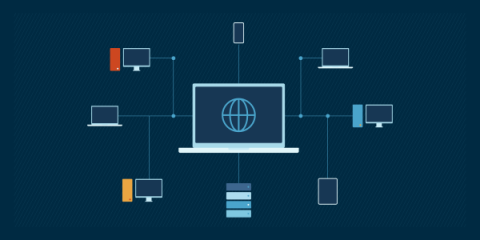
There’s a reason why the network monitoring market reached about $2 billion in 2019 and is expected to reach $5 billion by 2026. In today’s tech-focused world, organizations require network monitoring to secure and manage their IT infrastructures. One of the crucial systems that every network monitoring and management operation needs to succeed is known as network discovery.
It is so low-tech that Gen Z’ers and other digital natives may faint (or perhaps the avatar in a VR game that they are playing may faint) to learn that one of the greatest inventions in the history of our species is the humble do-not-disturb sign. Indeed, this magical placard is like having a very own private Gandalf shouting: YOU SHALL NOT PASS! However, the glory of do-not-disturb is not limited to hotels, motels, and teenagers’ bedrooms.
To understand the cloud computing landscape today and what true digital transformation looks like, we should first understand how we got here.
SAP is the leading provider of enterprise software in the world. Many global organizations depend on various SAP systems for running their operations. Naturally, SAP system performance issues can take a toll on business performance. Slow system performance can even lead to issues like downtime or lower user productivity. At the same time, SAP performance troubleshooting can be complex for large enterprises. This is due to the heavily interconnected global IT infrastructure and the complexity of these environments. This article will discuss some SAP performance issues and how you can deal with them.