Operations | Monitoring | ITSM | DevOps | Cloud

Data-Driven Defense: Exploring Global Cybersecurity and the Human Factor

A data-driven approach to cybersecurity provides the situational awareness to see what’s happening with our infrastructure, but this approach also requires people to interact with the data. That’s how we bring meaning to the data and make those decisions that, as yet, computers can’t make for us. In this post, Phil Gervasi unpacks what it means to have a data-driven approach to cybersecurity.

IT Operations in 2023: Business Services Become a Viable Organizing Principle

Staring down the runway of 2023 and toward 2024, I’m wondering what will become of the digital transformation initiatives that began pre-Covid and accelerated over the past two-plus years. We’re certainly not entering a “stop transforming” period. So, what will transformation look like going forward?

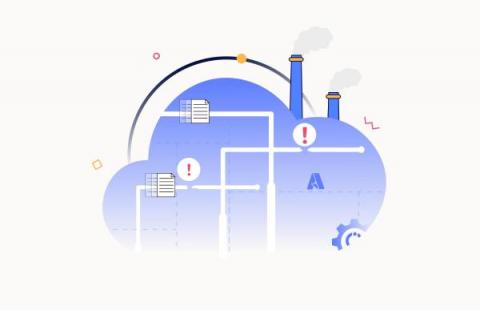
How to get Azure Data Factory Pipeline Failure Notification?

Azure Data Factory is a cloud-based data integration tool focusing on data extraction, transformation, and loading. A pipeline in Azure Data Factory is a collection of processes that move data to a shared repository, such as a data warehouse. Why it is important to monitor Azure Data Factory pipeline failures?

SLO vs SLA vs SLI: A Complete Guide for DevOps Professionals

In today’s fast-paced world of software development, DevOps professionals strive to provide high-quality and dependable services for their users. An essential aspect of achieving this objective is understanding and effectively managing service level indicators (SLIs), service level objectives (SLOs) and service level agreements (SLAs). These metrics help guarantee that a service meets its performance and reliability targets.

What Is Observability? Everything a Beginner Needs to Know

Observability originated in the field of engineering and has recently gained popularity in the world of software development. Put simply, observability refers to the ability to understand the internal state of a system based on its external outputs. IBM defines it as follows: As systems have become more complex, often including remote elements in cloud-based systems, management of the systems and troubleshooting faults and downtime have also become more complex.

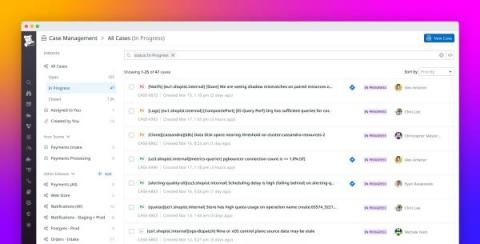
Proactively track, triage, and assign issues with Datadog Case Management

Complex systems require many different monitors to assess the health of their infrastructure and applications, creating a wealth of alerts that can be hard to track. Due to a lack of effective triage processes, many organizations page engineers for every alert that comes in, making it difficult to separate false positives from issues that actually require immediate attention.

Confidently Manage Multiple Projects with Sentry's New Spend Allocation and Spike Protection

Today we’re announcing our new Spend Allocation feature and updates to Spike Protection, giving you more control over how your projects consume events. While we’ve made it super easy for teams to add Sentry to their projects, we kept hearing from the community that they wanted more guardrails to ensure their noisy projects don’t eat through their event quota.

Beyond 6: What's Next for Wi-Fi?

Somewhere lost in the noise of ‘faster’ and ‘better’ marketing messaging around Wi-Fi in the last few years, there were also some genuine transformations in what Wi-Fi is capable of. And what’s on the horizon maybe some of the most significant improvements since the inception of Wi-Fi itself. Let’s look at where Wi-Fi is at, what big changes have happened, and where we’re going next in the land of Wi-Fi technology.