Internet-of-Things (IoT) devices and technologies have penetrated into our life. Nowadays, we can easily find IoT devices around us. Home appliance manufacturers produce IoT products for smart homes. Car makers invest in smart vehicles that can communicate with other smart cars and IoT objects nearby. Governments allocate huge resources to build smart cities with IoT technologies to improve the quality of life for people and promote economic growth.
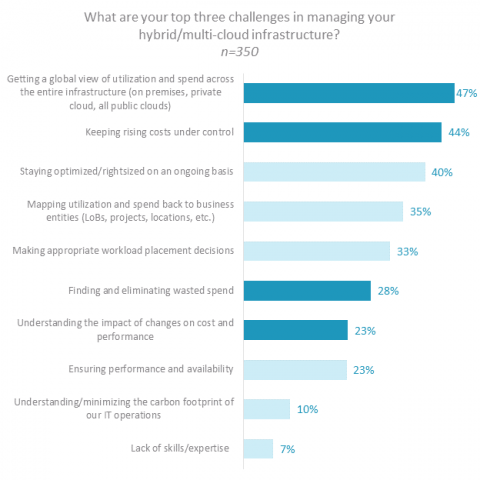
Most companies overspend on cloud services. Many factors contribute to this problem, and while organizations know that their cloud budgets are bloated, they still struggle to reel in those costs. Are they implementing the tools and processes to track their cloud costs effectively? And are they adopting controls to instill discipline and accountability in their cloud spending habits? We explored these questions in our latest State of Multi-Cloud Management research report.
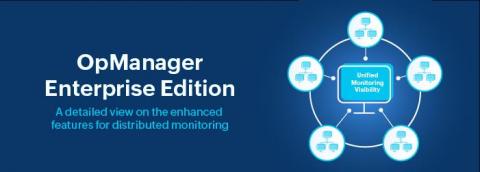
Monitoring an enterprise network is challenging for two reasons: the size of the network and the distributed architecture it follows. In the distributed model, branches spread across the globe, requiring a centralized monitoring solution. As the business grows, more devices will be added to the network, meaning your enterprise monitoring tool must be able to scale to match the performance requirements.
Downtime can be a nightmare for any online business. As the digital landscape continues to expand, the importance of maintaining a reliable and stable online presence has never been greater. While most businesses recognize the direct costs associated with downtime, such as lost revenue and productivity, there are hidden costs that can have a lasting impact on your business.
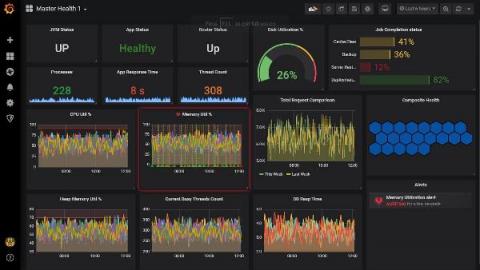
Monitoring tools, also known as observability solutions, are designed to track the status of critical IT applications, networks, infrastructures, websites and more. The best IT monitoring tools quickly detect problems in resources and alert the right respondents to resolve critical issues. Response teams use observability solutions to gain real-time insights into resource availability, stability and performance.