Operations | Monitoring | ITSM | DevOps | Cloud

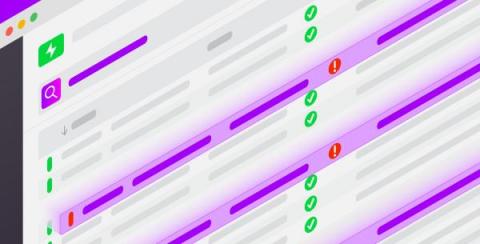
Query unsampled logs in real time with Live Search

With thousands of logs generated every minute from your infrastructure, applications, services, and devices, retaining this copious amount of data for active search and analysis can be cost-prohibitive. Because log volumes continue to grow rapidly as operations scale, it’s common for organizations to implement log management strategies and store only a limited number to minimize costs.

Monitor your NVIDIA GPUs with Datadog

NVIDIA is well known for its computing advancements across a broad range of industries and has become the clear leader in the artificial intelligence (AI) space. Due to their high-performance capabilities, NVIDIA’s discrete graphics processing units (GPUs) now account for approximately 80 percent of the market share for production-level AI, gaming, graphics rendering, and other complex data processing tasks.

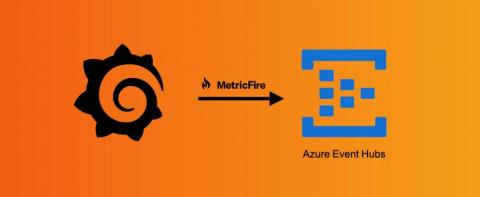
Metrics for Monitoring Azure Event Hubs

Azure Monitor is a convenient tool designed to help you enhance the performance and accessibility of your various services and applications. A comprehensive solution, this tool helps teams analyze data from cloud-based and on-premises environments. In this post, we'll discuss the best metrics for monitoring Microsoft Azure Event Hubs, and how to get the most from the tool. Get started with a quick demo of MetricFire today to take charge of your network performance!

What Is Digital Experience Monitoring: Benefits, Challenges & Best DEM Tools

Digital Experience Monitoring (DEM) is a practice that involves monitoring and analyzing the end-to-end digital experience of users interacting with websites, applications, and other digital services. By examining performance, availability, and usability from the end user’s perspective, DEM provides insights into the performance, availability, and usability of these services from the perspective of the end user.

Azure Rightsizing: Maximizing Performance and Minimizing Costs

Organizations increasingly leverage Azure to host their applications and services in today’s cloud-driven world. However, efficiently managing Azure resources ensures optimal performance, cost-effectiveness, and resource utilization. One essential aspect of resource management is rightsizing. In this blog post, we’ll explore the concept of rightsizing Azure resources and provide practical tips on optimizing your deployments.

How to Measure Bandwidth: Techniques for Precise Network Measurement

For businesses managing large enterprise networks, network performance is critical for productivity and seamless communication. To ensure optimal operations and user experience, accurately measuring your network's bandwidth is key. In this blog post, we'll explore techniques and tools tailored for businesses to achieve precise network bandwidth measurements. Measuring bandwidth goes beyond assessing Internet speed.

Observability vs. Monitoring: Understanding the Differences

This post was written by Siddhant Varma. Scroll down to read the author’s bio. Software development isn’t just about building and deploying software. There’s a wide range of operations and activities you need to tackle even after you’ve successfully deployed it. The two most common are observability and monitoring. While they’re similar in a lot of ways, it’s important to understand that they are not exactly the same, and each has its own purpose.

Debunking Misconceptions: Amazon Prime Video's Approach to Microservices and Serverless

This is the second blog in our deep dive series on serverless architectures. In the first installment, we explored the benefits and trade-offs of microservices and serverless architectures, highlighting the case of Amazon Prime Video's architectural redesign for cost optimization.

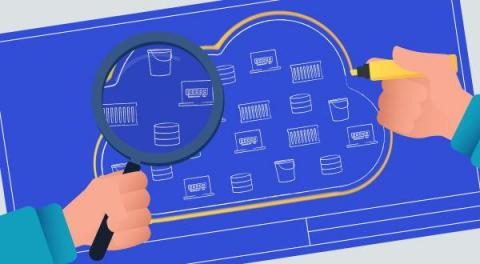
Architecting Cloud Instrumentation

Architecting cloud instrumentation to secure a complex and diverse enterprise infrastructure is no small feat. Picture this: you have hundreds of virtual machines, some with specialized purposes and tailor-made configurations, thousands of containers with different images, a plethora of exposed endpoints, s3 buckets with both public and private access policies, backend databases that need to be accessed through secure internet gateways, etc.